

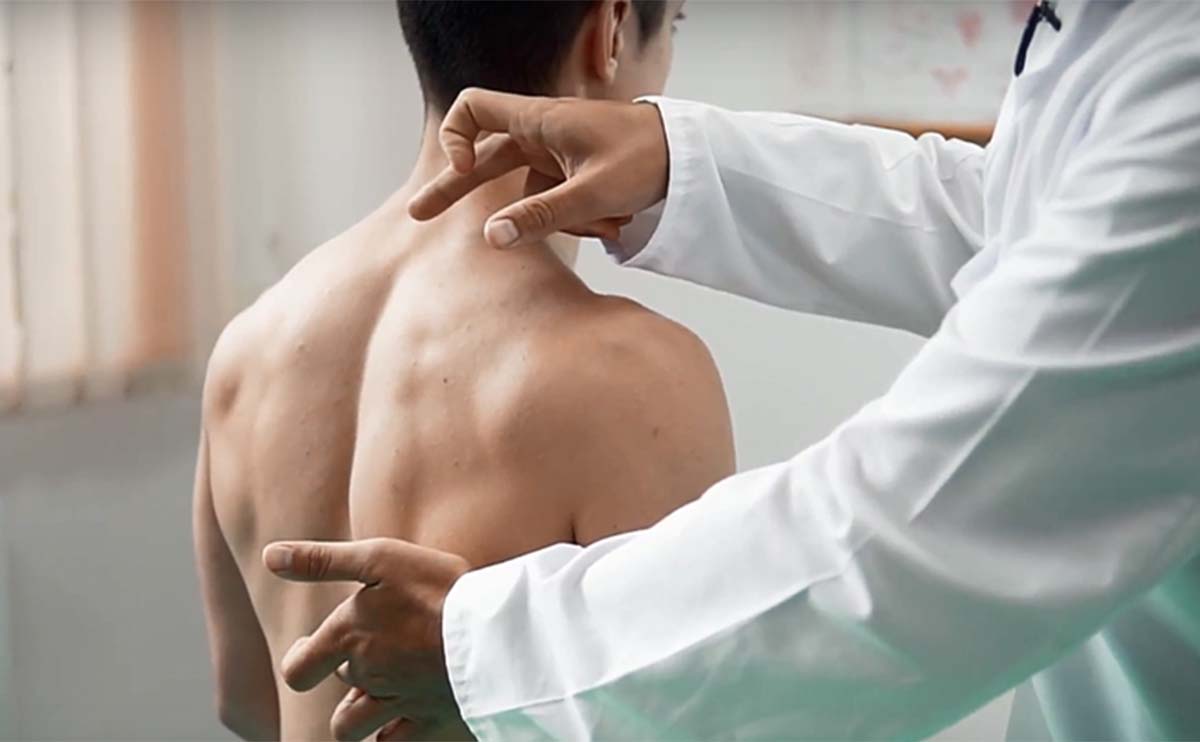
Pain between the shoulder blades is a common, persistent, and sometimes frightening problem, familiar to many people. Byl can be a companion of office workers or heavy physical labor, children, young or elderly patients. Sometimes the problem is easily solved with rest, exercises and massage, and sometimes surgery is necessary. We will talk about the causes of this pathology and how to remove discomfort in the upper back.

Types of pain in the shoulder blades
Pain in, under, or between the shoulder blades in different people is a symptom of completely different conditions. Nerves, ligaments, joints, muscles, periosteum, heart, lungs and stomach – each of these elements can “give” back.
Typical sources of discomfort in this area:
- overload or muscle tears;
- arthrosis of small joints of the thoracic spine;
- lung and heart pathology;
- diseases of the esophagus, stomach, pancreas;
- radiculitis of the cervical spine, etc.
Sometimes the causes are absolutely safe, and sometimes they require immediate help. An analysis of the location of symptoms helps to decide on possible options for the course of the process.
Pain itself in medicine is divided into two subspecies:
- nociceptive: “normal” signals from different organs, which have different intensity and localization. Observed in most cases;
- neuropathic: unpleasant numbness, “creeping tingles”, a feeling of “dousing with boiling water” or burning.
- Occurs with injury, inflammation, compression of the nerve.


Pain between shoulder blades
Unpleasant sensations in the area of the interscapular area indicate “problems” with the spine itself or organs close to it.
Most often it is:
- arthrosis of the small joints of the vertebrae and osteochondrosis: “splits”, cuts, crunches can occur during inhalation, bending, bending. The condition is typical for elderly patients;
- tears, muscle overload: the problem is exacerbated by prolonged sedentary work or, on the contrary, heavy physical activity. Discomfort “goes away” after sleep, massage, therapeutic exercises. A patient with such a problem is more often middle-aged or young;
- disc herniation, radiculitis: the cuts are burning, they are combined with numbness, “tingles”, weakness of arms, legs, back. This is a classic neuropathic pathology. In such a clinic, massage or rest rarely help;
- diseases of the esophagus: aching heartburn decreases after taking milk, antacid drugs;
- diseases of the respiratory system: along with unpleasant sensations in the back, there is a cough or shortness of breath.
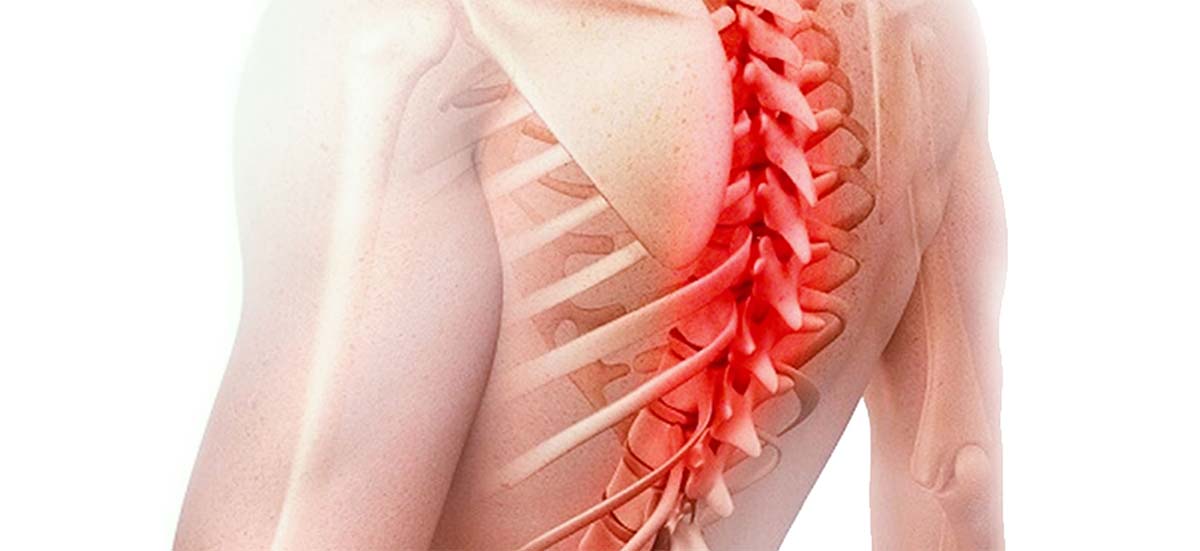
Pain under the right shoulder blade
Most often, pain under the right shoulder blade is the result of muscle imbalance caused by overloading the “working” right hand. This situation occurs in athletes with uneven hand load (tennis players, boxers, shot putters, etc.), construction workers, representatives of other “working” professions.
A muscle spasm can be intense, “piercing”, “shooting”, but it rarely causes weakness or numbness of the hands. Short-term rest, massage, warm compress help to reduce even quite strong pain of this type.
Other problems appear under the right shoulder blade:
- chronic cholecystitis: constant discomfort after a fatty meal during an exacerbation becomes sharp, intense. Massage, rest, exercises have no effect;
- lung diseases: symptoms include cough, fever, general weakness, difficulty breathing. The condition worsens with inhalation, does not change at rest;
- hernias, radiculitis of the cervical, upper thoracic spine: characteristic numbness, burning sensations that often radiate to the hand;
- bony or cartilaginous growths on the ribs (osteochondromas): a typical manifestation is constant crunching, clicking when moving the scapula, while the pain is dull, non-intense;
- chronic diseases of the heart, aorta, pulmonary artery: throbbing, aching pain intensifies during physical exertion or increased blood pressure.

Pain under the left shoulder blade
A sharp cut suddenly appeared in the left arm or shoulder blade – a possible symptom of a myocardial infarction. At the same time, there is anxiety, sweating, palpitations, a decrease or increase in blood pressure. If the pain suddenly radiates to the hand (left), consult a doctor immediately! In this case, every hour of delay is important, because only a timely start of therapy can fully restore cardiac blood flow.
Pain under the left shoulder blade is also a manifestation of the following conditions:
- arthrosis, osteochondrosis or spondylosis of the spine: if the cartilage wear is more pronounced on one side, dull pain will come from that side;
- gastric ulcer: in the chronic phase, there may be no significant symptoms, but during an exacerbation, a sudden sharp shooting reaches maximum intensity;
- Pancreatitis: problems of the pancreas are usually “given” to the back. Both with acute and chronic inflammation, the sensations may have a throbbing or prickling tone, accompanied by abdominal cramps, weakness, nausea, vomiting;
- Muscle inflammation, overuse, or injury: Problems in any of the 17 muscles that attach to the scapula can cause a pulling or piercing sensation. Muscle pains usually pass quickly and have a good prognosis;
- intercostal neuralgia: occurs both under the right and under the left shoulder blade when inhaling or exhaling. Pathology is associated with short-term muscle spasm or radiculitis, the disease has a favorable course and prognosis; herniated discs of the cervical and thoracic regions: aching cuts with numbness of the scapula, weakness of the arm.

Diagnosis of pain in the shoulder blades
For pain under the scapula, the primary examination can be prescribed by a family doctor, a therapist, a neurologist or an orthopedist.
The most informative and simple methods for finding the source of pain are:
- x-ray of the chest and spine: gives information about the condition of the lungs, ribs, vertebrae and the shoulder blades themselves;
- ECG and ultrasound of the heart: allows to exclude or confirm the pathology of the cardiovascular system;
- FGDS and ultrasound of abdominal organs: necessary to clarify the state of internal organs (esophagus, pancreas, gall bladder, etc.);
- if the standard list of studies does not give a clear picture, more expensive and complex procedures, such as CT or MRI, make sense;
- the most important element is a direct examination by a doctor: listening (auscultation), feeling (palpation), determination of nerve sensitivity and reflexes, conducting physical tests. At this stage, the doctor determines the location, type, degree of the disorder and makes a preliminary diagnosis.
The experience and understanding of the doctor can identify important symptoms and separate them from secondary ones, and a competent clinical examination guarantees the correct choice of diagnostic methods and solving the problem. Therefore, try to entrust your examination to a professional doctor.
Treatment
After the diagnosis, the doctor receives the information he needs and tells you how to remove the problem. Most often, the list of medical appointments will include:
- For arthrosis, osteochondrosis, spondylosis, muscle imbalance: therapeutic exercises, massage, physical procedures, less often anti-inflammatory drugs or muscle relaxants. Emphasis is placed on restoring proper work and muscle tone, unloading areas of the spine;
- Hernias and radiculitis of the cervical and thoracic spine: a complex of exercise therapy, massage, anti-inflammatory and specific neurotropic drugs. According to the indication – surgical removal of the hernia;
- With chronic diseases of the abdominal organs: diet, taking drugs during exacerbations or constantly;
- With heart diseases: acute pathology is an indication for emergency care in the cardiology department. Chronic discomfort requires blood pressure control, an optimal level of physical activity, and taking the prescribed medications.
Conclusion
Both absolutely safe “muscular” and disturbing pains emanating from internal organs are a good reason for competent diagnosis and treatment. In most cases, discomfort in the area of the shoulder blades is quickly eliminated with the correct approach and compliance with the doctor’s recommendations.